Venmo UX Design Case Study: Making Money Social

Venmo UX Design Case Study: Making Money Social

Venmo UX Design Case Study: Making Money Social

Venmo faced the challenge of integrating sophisticated financial capabilities like cryptocurrency and business accounts without losing the playful, social identity that made it a dominant peer-to-peer payment tool.

Venmo faced the challenge of integrating sophisticated financial capabilities like cryptocurrency and business accounts without losing the playful, social identity that made it a dominant peer-to-peer payment tool.

Venmo faced the challenge of integrating sophisticated financial capabilities like cryptocurrency and business accounts without losing the playful, social identity that made it a dominant peer-to-peer payment tool.

Client

SVG Preview

Industry

Fintech

year

2022 - 2024

Scope of work

Brand UnificationOnboarding OptimiationMobile App Design

share

The Story

When Playful Payments Meet Serious Finance

When Playful Payments Meet Serious Finance

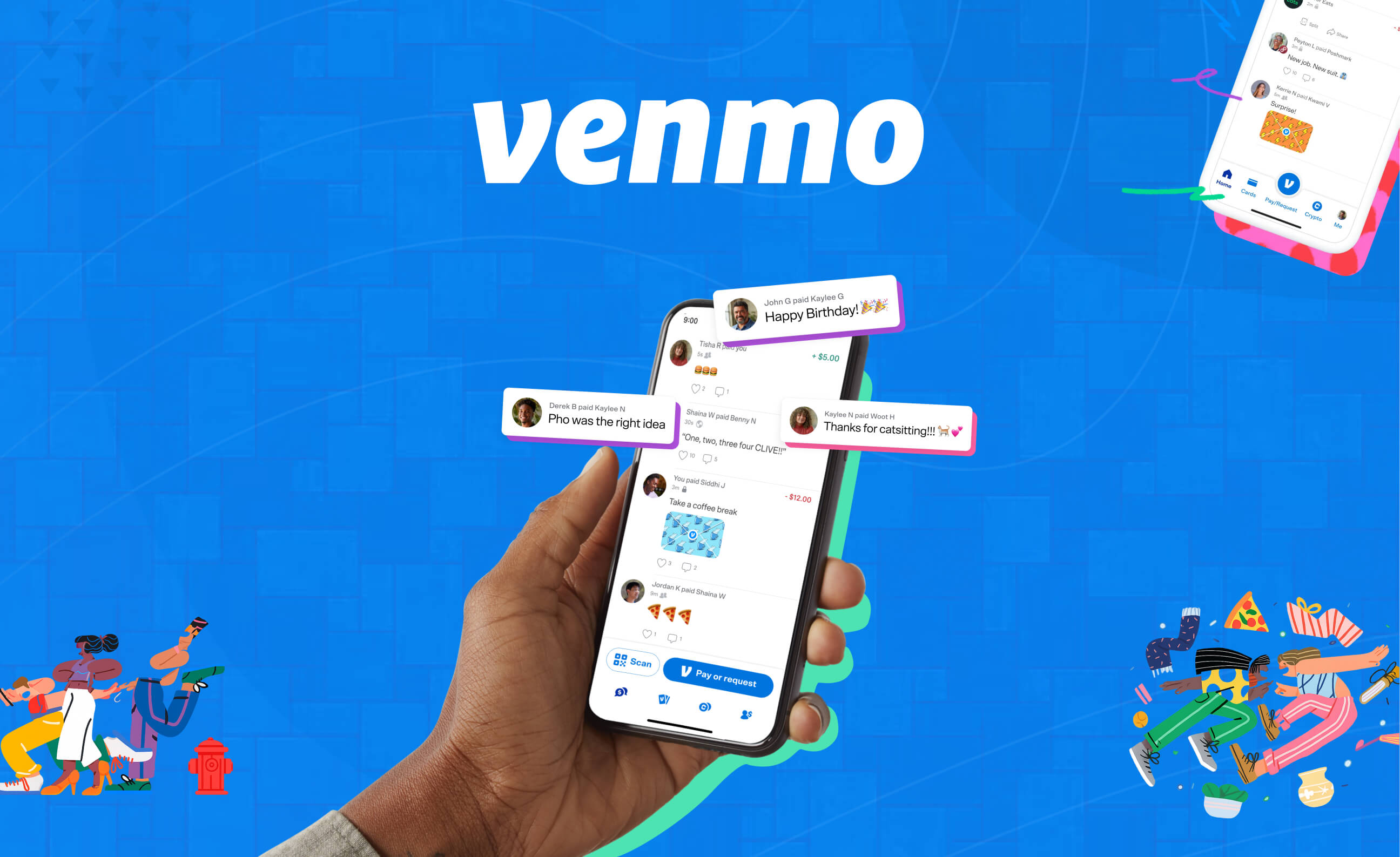
We began this project with a simple observation. Picture a Friday evening when friends finish dinner and someone pulls out their phone to split the check. Venmo had become more than a payment tool. It had become part of the social fabric, complete with emojis and inside jokes that made financial transactions feel almost fun.

We began this project with a simple observation. Picture a Friday evening when friends finish dinner and someone pulls out their phone to split the check. Venmo had become more than a payment tool. It had become part of the social fabric, complete with emojis and inside jokes that made financial transactions feel almost fun.

But by 2020, Venmo faced an interesting tension. The company was expanding into cryptocurrency trading, business accounts, and sophisticated financial features. The question that landed on our desks at Saasfactor was both exciting and daunting: how do you introduce complex financial capabilities without losing the lightness that made Venmo special?

But by 2020, Venmo faced an interesting tension. The company was expanding into cryptocurrency trading, business accounts, and sophisticated financial features. The question that landed on our desks at Saasfactor was both exciting and daunting: how do you introduce complex financial capabilities without losing the lightness that made Venmo special?

The mobile payment market had reached $1.97 trillion in transaction value in 2023, with peer to peer platforms capturing an increasingly large share. Success meant maintaining Venmo's existing user base while opening new capabilities to people who might never have considered themselves sophisticated enough for crypto trading.

The mobile payment market had reached $1.97 trillion in transaction value in 2023, with peer to peer platforms capturing an increasingly large share. Success meant maintaining Venmo's existing user base while opening new capabilities to people who might never have considered themselves sophisticated enough for crypto trading.

Understanding the Challenge

Three Problems, One Solution

Three Problems, One Solution

When we dove into Venmo's existing experience, we discovered three interconnected challenges.

When we dove into Venmo's existing experience, we discovered three interconnected challenges.

The Onboarding Problem

The Onboarding Problem

Industry research shows that fintech apps typically see only 40 percent of users complete onboarding. More than half abandon the experience before their first transaction. New users would download the app with enthusiasm, but somewhere in those first screens, the excitement faded. This matters enormously because research tells us that 67 percent of users expect to understand an app's core value within 60 seconds. If that crucial window closes without clarity, the user is gone.

Industry research shows that fintech apps typically see only 40 percent of users complete onboarding. More than half abandon the experience before their first transaction. New users would download the app with enthusiasm, but somewhere in those first screens, the excitement faded. This matters enormously because research tells us that 67 percent of users expect to understand an app's core value within 60 seconds. If that crucial window closes without clarity, the user is gone.

The Feature Anxiety Problem

The Feature Anxiety Problem

We found a fascinating paradox around cryptocurrency. When we asked users about crypto trading, 43 percent of millennials expressed strong interest in digital assets. But when we showed them traditional cryptocurrency interfaces, that enthusiasm evaporated. Complex terminology, unfamiliar workflows, and sterile visual design made users question whether they had the expertise needed. The design was creating barriers where none needed to exist.

We found a fascinating paradox around cryptocurrency. When we asked users about crypto trading, 43 percent of millennials expressed strong interest in digital assets. But when we showed them traditional cryptocurrency interfaces, that enthusiasm evaporated. Complex terminology, unfamiliar workflows, and sterile visual design made users question whether they had the expertise needed. The design was creating barriers where none needed to exist.

The Consistency Problem

The Consistency Problem

Venmo's mobile app had a playful personality users loved, but the website had a more corporate tone. Marketing materials presented yet another voice. Cross platform studies show that consistent brand presentation increases revenue by up to 23 percent. When users encounter different personalities across touchpoints, they question whether they are dealing with the same company, and that uncertainty erodes confidence.

Venmo's mobile app had a playful personality users loved, but the website had a more corporate tone. Marketing materials presented yet another voice. Cross platform studies show that consistent brand presentation increases revenue by up to 23 percent. When users encounter different personalities across touchpoints, they question whether they are dealing with the same company, and that uncertainty erodes confidence.

 Research and Discovery

Learning What Users Really Need

Learning What Users Really Need

We approached research knowing that assumptions about what users want often differ from what they actually need. Our team conducted extensive interviews, analyzed transaction patterns, and studied how people incorporated Venmo into their daily lives.

We approached research knowing that assumptions about what users want often differ from what they actually need. Our team conducted extensive interviews, analyzed transaction patterns, and studied how people incorporated Venmo into their daily lives.

What Users Value Most:

What Users Value Most:

Users ranked simplicity, transparency, and speed as top priorities. Simplicity meant "accomplishing goals without thinking too hard". Transparency meant "understanding exactly what would happen". Speed meant both fast processing and quick comprehension. Younger users (18-34) also wanted apps to be extensions of their personality, using features like emojis to maintain relationships

Users ranked simplicity, transparency, and speed as top priorities. Simplicity meant "accomplishing goals without thinking too hard". Transparency meant "understanding exactly what would happen". Speed meant both fast processing and quick comprehension. Younger users (18-34) also wanted apps to be extensions of their personality, using features like emojis to maintain relationships

The Crypto Curiosity Gap:

The Crypto Curiosity Gap:

The research identified a "crypto curiosity gap". Users wanted to try digital currency but were shut down by traditional interfaces. In test sessions, users would start with enthusiasm, encounter unfamiliar terminology, and abandon the process out of fear of making expensive mistakes. The barrier was not intelligence; it was cognitive load and a lack of confidence.

The research identified a "crypto curiosity gap". Users wanted to try digital currency but were shut down by traditional interfaces. In test sessions, users would start with enthusiasm, encounter unfamiliar terminology, and abandon the process out of fear of making expensive mistakes. The barrier was not intelligence; it was cognitive load and a lack of confidence.

Strategic Approach

Three Principles to Guide Every Decision

Three Principles to Guide Every Decision

With research insights in hand, we developed our design strategy around three core principles.

✦ Make Complexity Feel Approachable

✦ Make Complexity Feel Approachable

The team decided Venmo's playful personality was its "secret weapon" to make sophisticated features accessible. Using friendly illustrations and conversational language actively works to reduce the anxiety that surrounds financial decisions.

✦ Eliminate Ambiguity Through Clarity

✦ Eliminate Ambiguity Through Clarity

Every screen should answer three questions: "Where am I right now?", "What can I do here?", and "What will happen next?". Each moment of uncertainty adds to cognitive load, leading users to choose the safest option often, doing nothing.

✦ Build Systems That Scale Quality

✦ Build Systems That Scale Quality

The team needed to create a comprehensive design system with reusable, tested building blocks. This system would document not just what things look like, but why they work that way, empowering Venmo's teams to maintain quality as they built new features.
Design Implementation

Bringing Strategy to Life

Bringing Strategy to Life

Color and Visual Language:

Every scenario had to be based on actual attacks from the last 6 months. No generic "Nigerian prince" emails – we're talking deepfake board meetings and AI-generated LinkedIn profiles.

Every scenario had to be based on actual attacks from the last 6 months. No generic "Nigerian prince" emails – we're talking deepfake board meetings and AI-generated LinkedIn profiles.

Illustration as Functional Design:

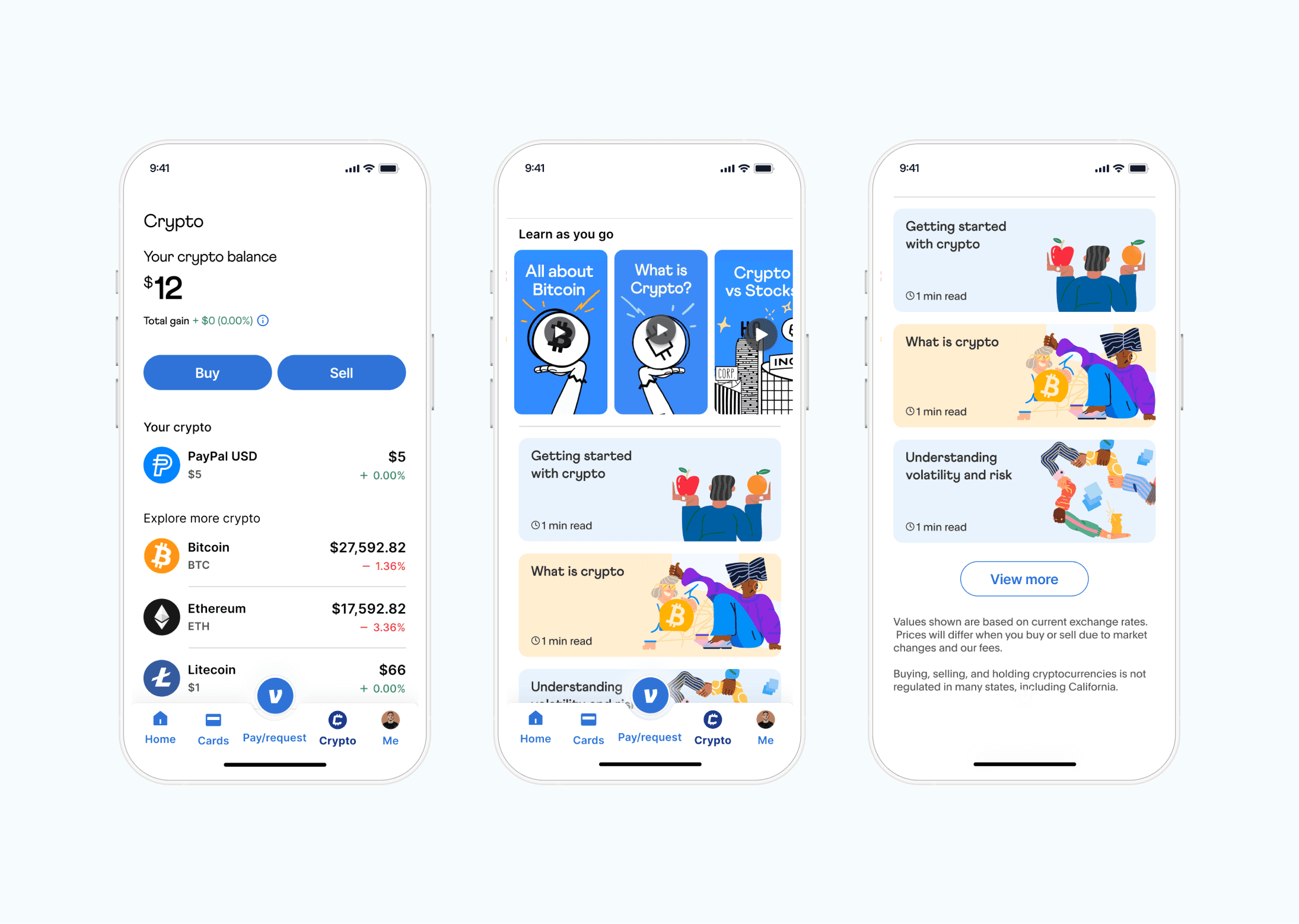
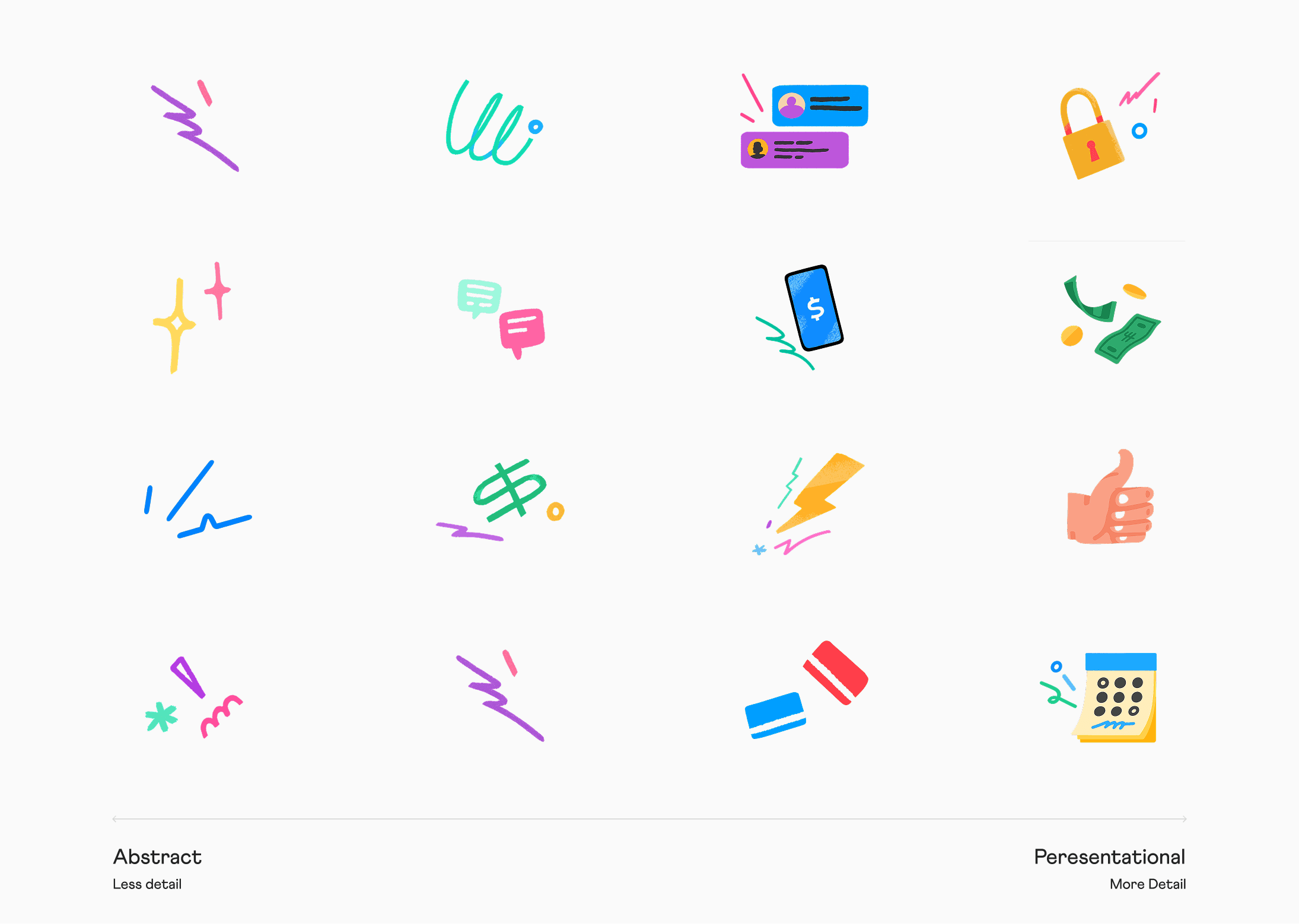
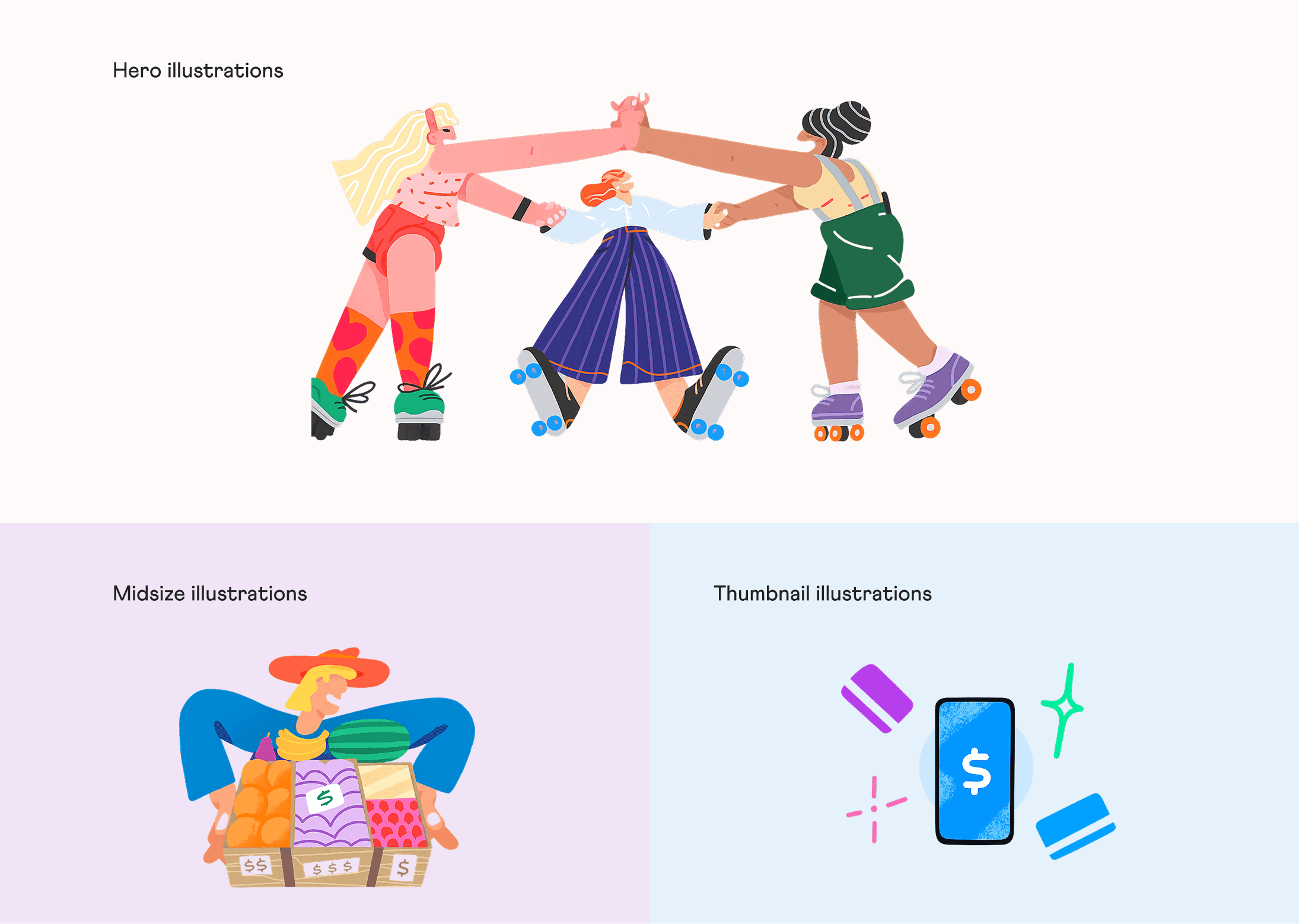
Custom, friendly illustrations were used as functional tools, especially for introducing crypto trading. Research shows combining visual and textual information can increase comprehension by up to 65% compared to text alone.

Custom, friendly illustrations were used as functional tools, especially for introducing crypto trading. Research shows combining visual and textual information can increase comprehension by up to 65% compared to text alone.

Progressive Onboarding:

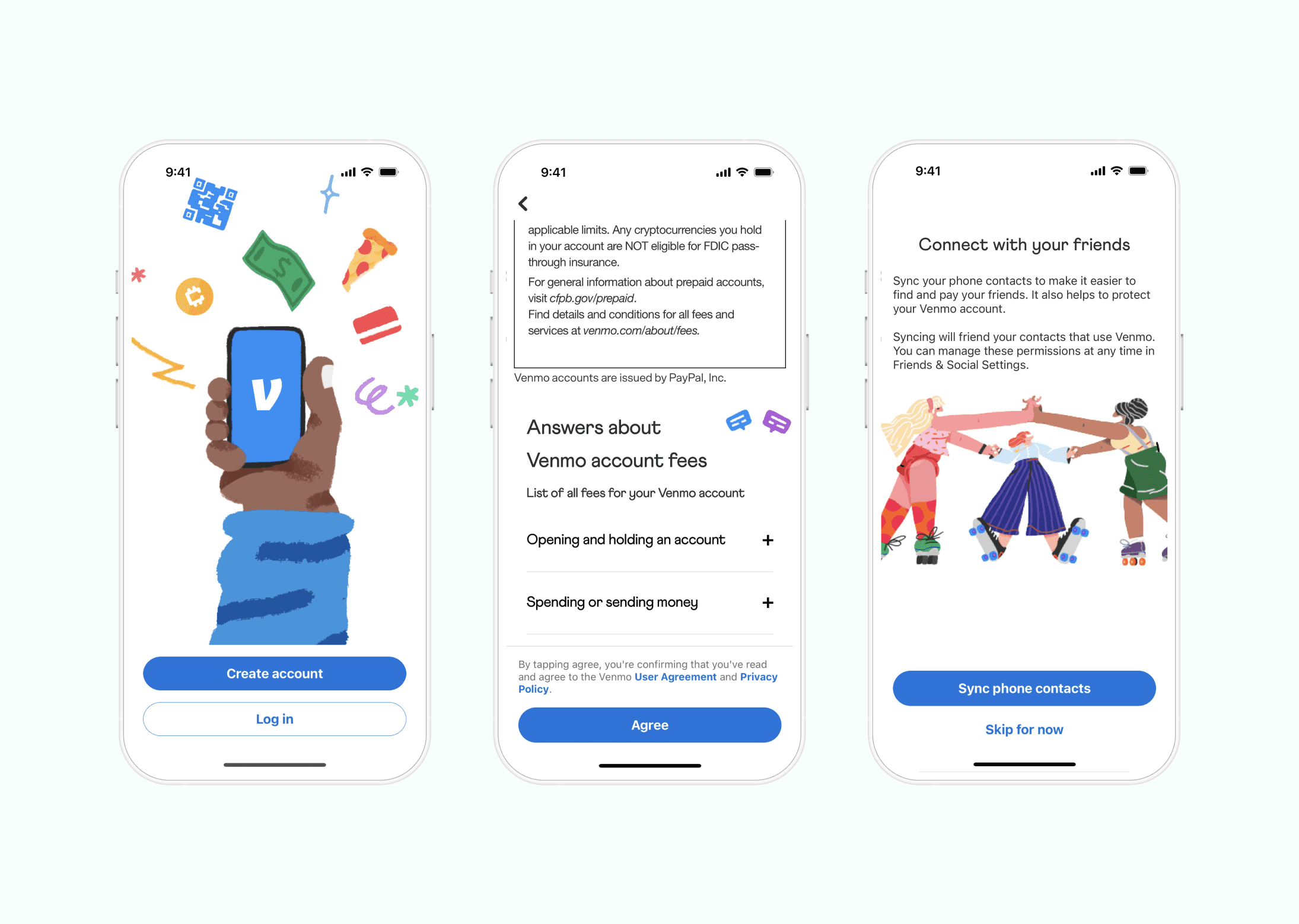
Instead of a feature list, the team created a progressive flow that felt like a conversation. It started by asking the user's primary intent (personal, business, or crypto). This segmentation allowed for a customized journey. Personalized onboarding can improve completion rates by up to 50%.

Instead of a feature list, the team created a progressive flow that felt like a conversation. It started by asking the user's primary intent (personal, business, or crypto). This segmentation allowed for a customized journey. Personalized onboarding can improve completion rates by up to 50%.

Crypto Integration

Social Features and Crypto Integration

Social Features and Crypto Integration

Social features remained central because they were core to Venmo's value proposition. Transaction feeds incorporated emoji, custom stickers, and playful interactions. Research shows that adding social elements to utility driven tasks creates habit forming patterns. When sending money triggers positive social feedback, users associate payment with connection rather than obligation.

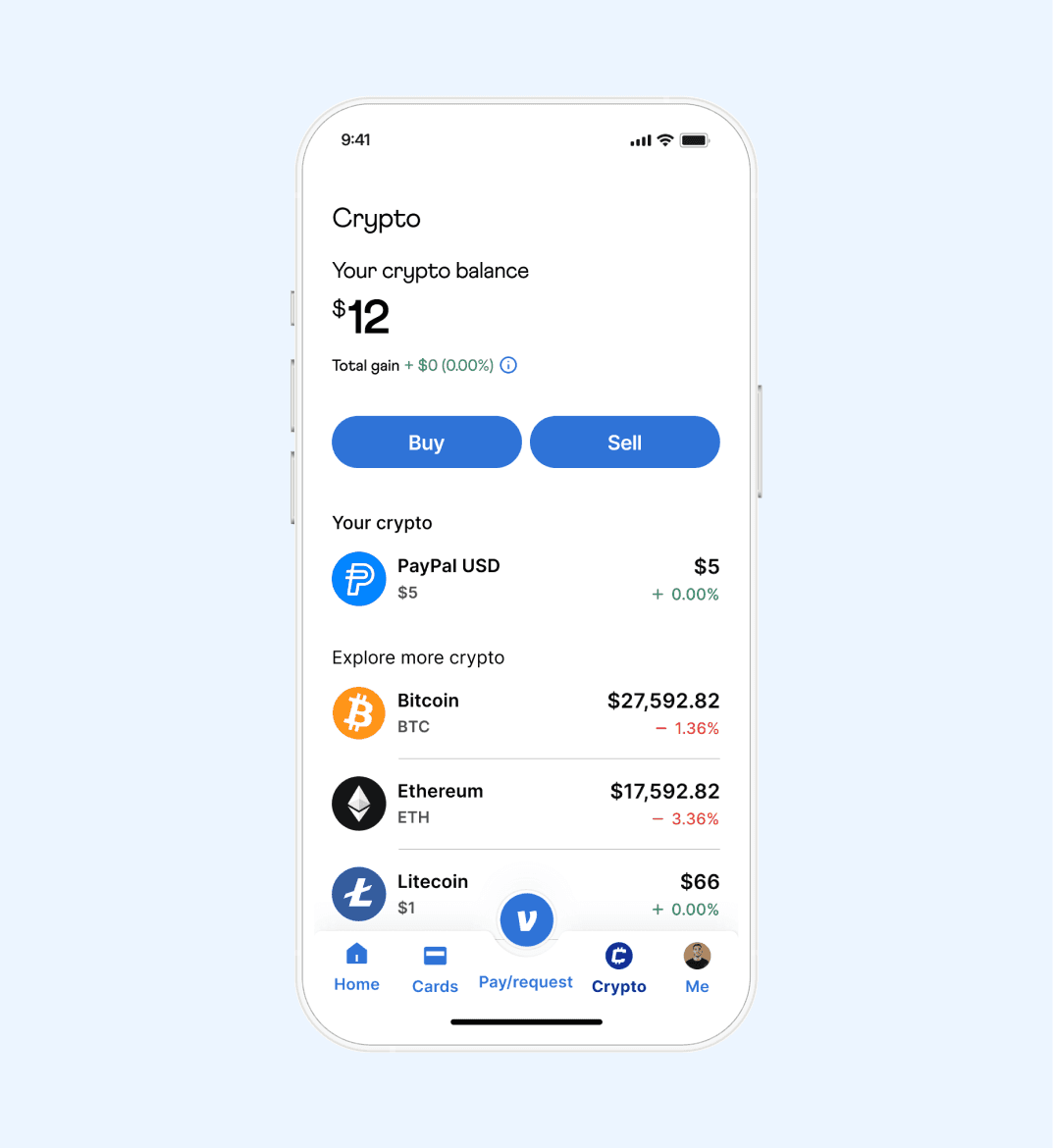
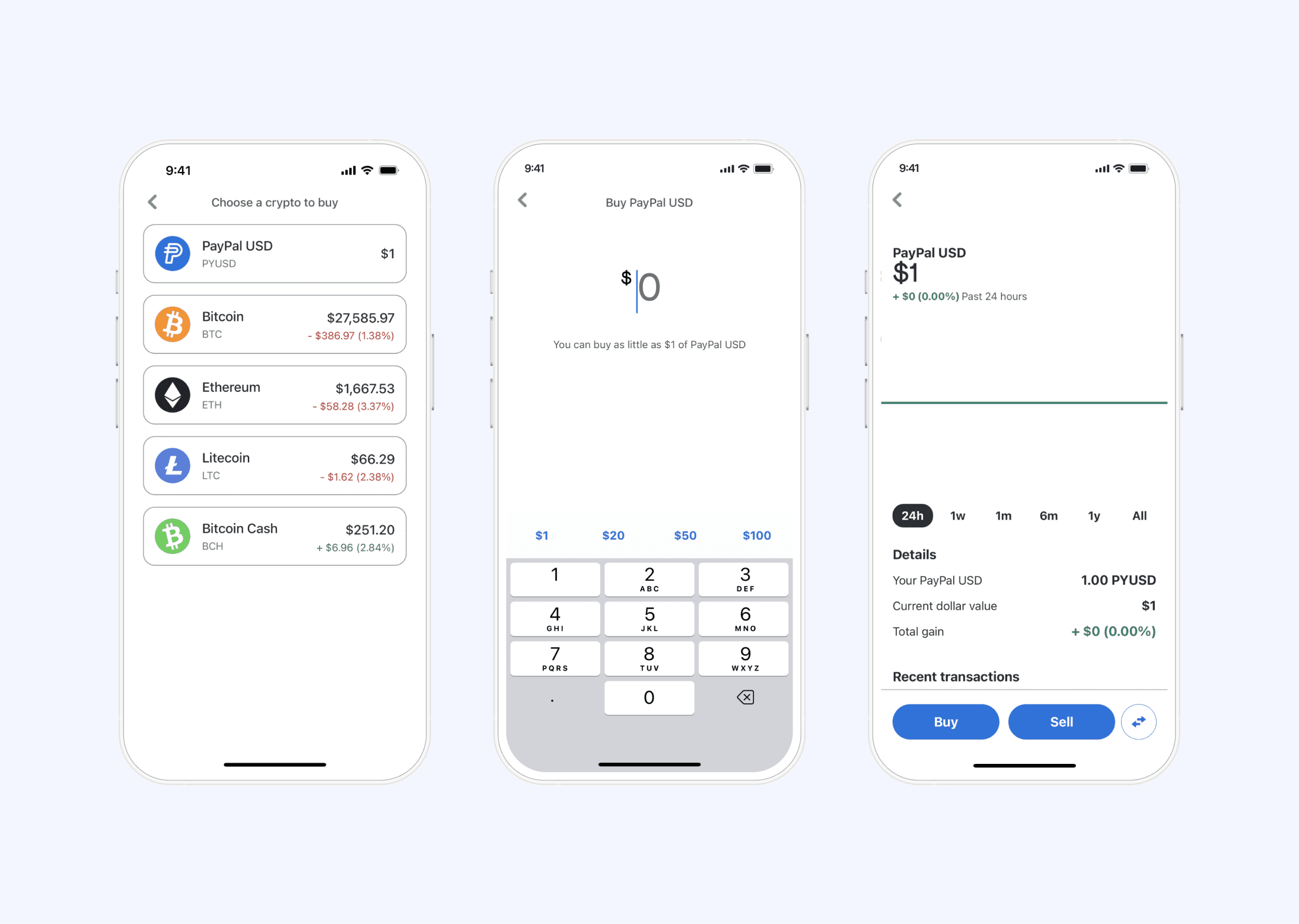
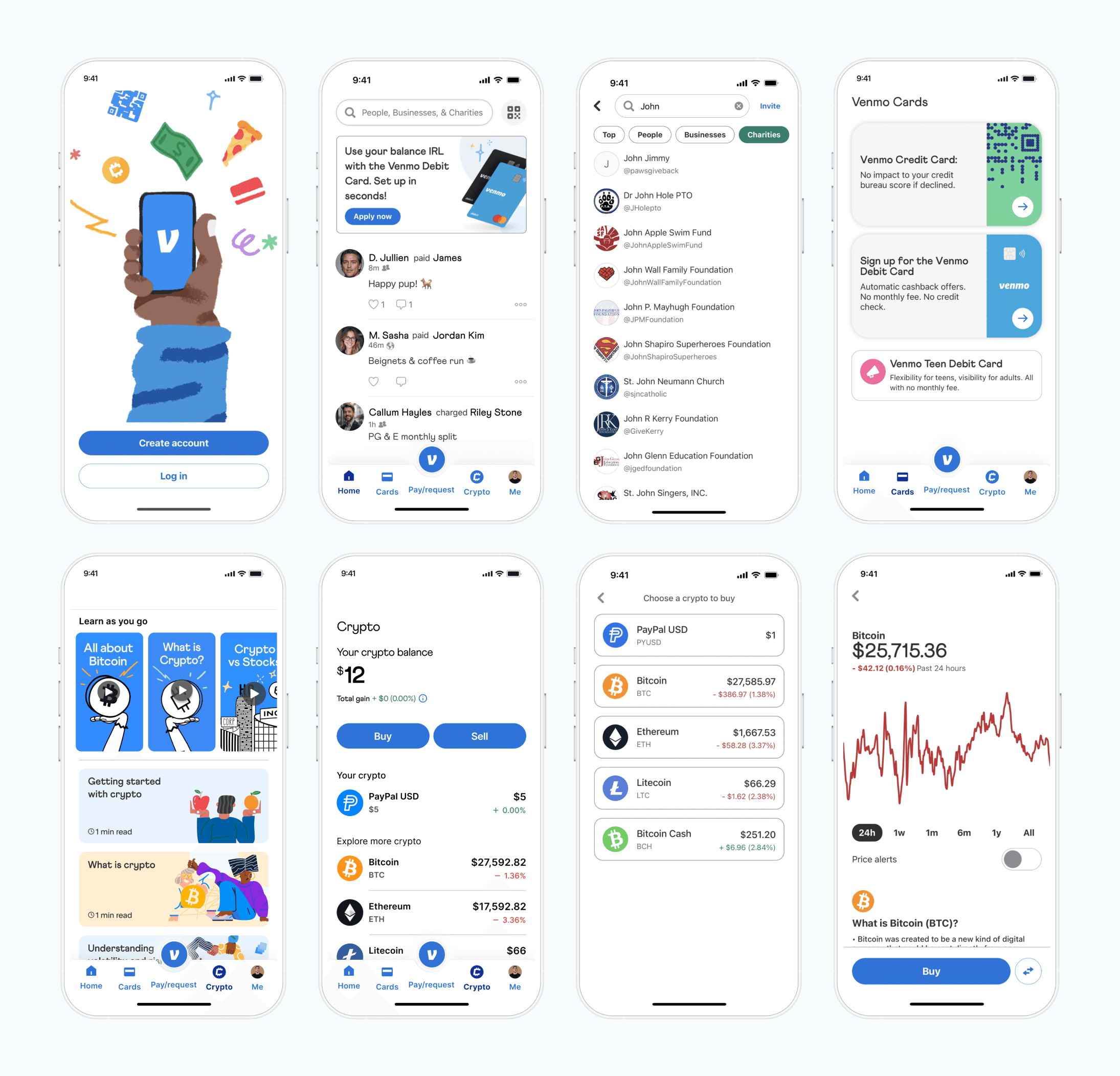
The cryptocurrency integration showed how thoughtful design makes advanced features accessible. We used familiar metaphors and progressive disclosure. Initial screens presented crypto as another way to use Venmo, with complexity revealed gradually. Clear visual hierarchy, simple flows, and reassuring microcopy at decision points built confidence without overwhelming users.
Venmo Card Portfolio

Designing the Product Ecosystem

Designing the Product Ecosystem

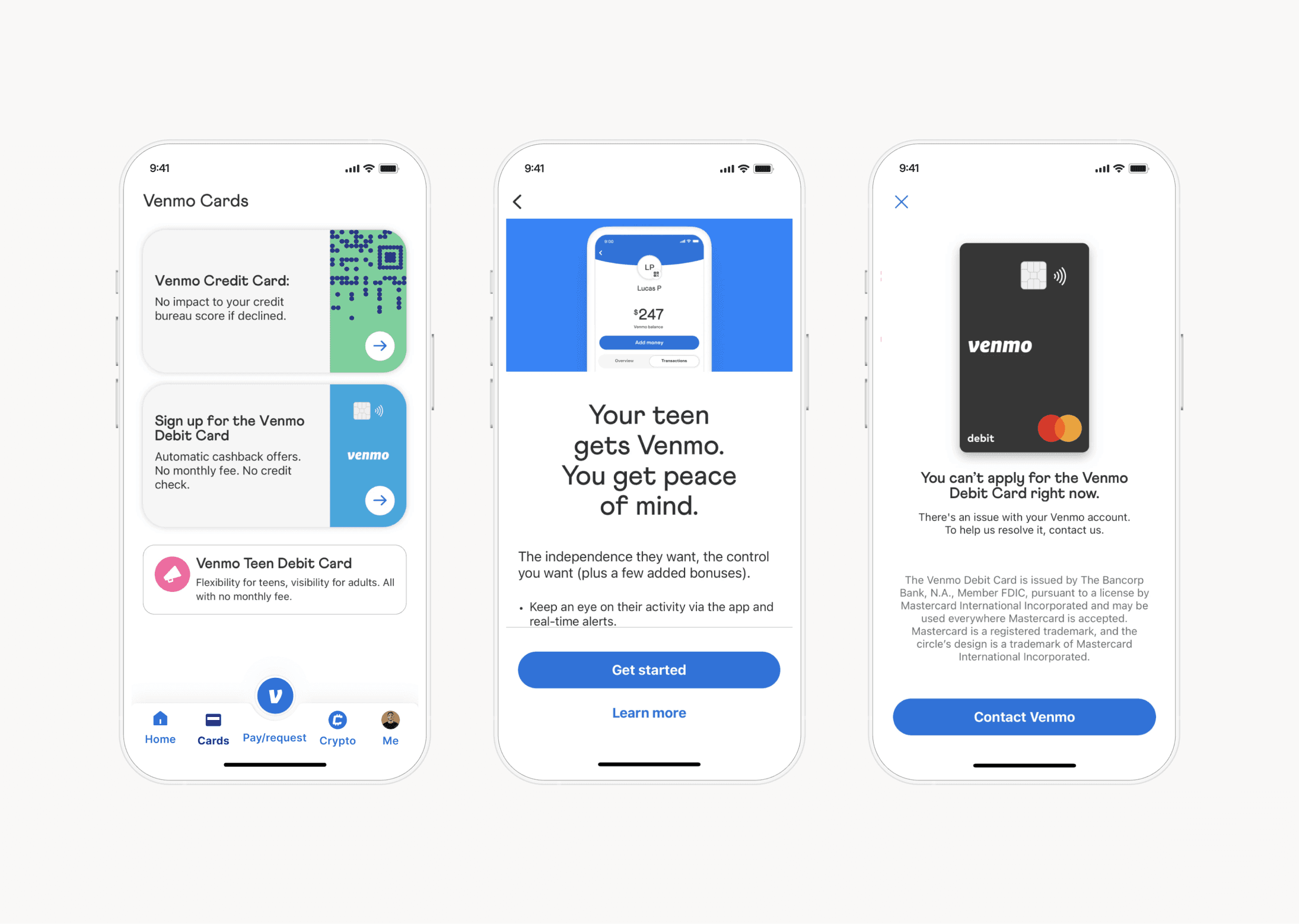
The Venmo Cards project involved expanding the app from a single-payment tool into a multi-product ecosystem. The design challenge was to introduce multiple, distinct financial products (Credit, Debit, and Teen Debit) without creating user confusion or "feature anxiety". The solution focused on applying the core principles of clarity and approachability. A central hub screen was designed to clearly segment the card offerings, helping users understand the distinct value of each. For high-anxiety products like the Teen Debit Card, the design used empathetic, benefit-driven language to reduce fear and build parental confidence, turning a complex financial decision into an approachable process.
The Impact

Measuring Success

Measuring Success

Onboarding Improvements

Onboarding Improvements

Onboarding completion rates increased significantly, and users spent less time completing their first transaction, which correlates strongly with long-term retention.

Crypto Adoption Exceeds Projections

Crypto Adoption Exceeds Projections

Cryptocurrency adoption "exceeded projections meaningfully". Surveys showed users had decreased anxiety, and many reported trying crypto on Venmo specifically because it "felt less intimidating" than other platforms.

Brand Strength and Development Velocity

Brand Strength and Development Velocity

Brand recognition improved, and users reported a stronger emotional connection. The new design system also accelerated feature development and reduced errors because teams used pre-tested, established patterns.

Key Learnings

What This Project Taught Us

What This Project Taught Us

Playfulness and Sophistication Are Not Opposites

Playfulness and Sophistication Are Not Opposites

Successful fintech experiences recognize that making things feel "lighter and more human" can actively reduce user anxiety, creating the emotional space for them to learn with confidence.

Progressive Disclosure for Complex Products

Progressive Disclosure for Complex Products

Revealing complexity gradually is an essential strategy for managing cognitive load and drives higher engagement with advanced features.

Visual Design Shapes Behavior

Visual Design Shapes Behavior

Color, illustration, and typography "profoundly shape how people feel and behave". In fintech, where trust is foundational, this combination is essential for growth.
Conclusion

Design as Confidence Building

Design as Confidence Building

We left this project with renewed appreciation for how design decisions at every scale contribute to the total user experience. Each choice either builds confidence or creates friction, clarifies understanding or adds confusion, strengthens brand connection or dilutes it. The accumulation of these choices determines whether users feel empowered to explore new capabilities or stick cautiously to what they already know. Our job as designers is to make every choice with intention, always asking how it serves the human being trying to accomplish something meaningful with our product.

Related Case Studies

Related Case Studies

see all

UX DesignDesign SystemProduct OptimizationInformation Architecture
Product DesignUX StrategyInformation ArchitectureUI DesignInteractionMobile App Design